Key Benefits of Hiring Local Experts for Septic Tank Services
Key Benefits of Hiring Local Experts for Septic Tank Services
Blog Article
The installation of a water line is vital for guaranteeing the availability of clean and potable water for residential and commercial properties. This essential task involves thorough planning and execution to properly set up the pipes that channel fresh water from municipal systems or personal wells. Adequate installation is key not only for optimal water flow but also for reducing the potential for leaks and contamination, making it vital for property owners to hire skilled professionals for the task. If you need to find experts nearby, reach out to them to commence your project. By comprehending the nuances of water line installation, you can make well-informed choices and prevent potential setbacks. This guide will investigate important factors including preparation, expenses, and procedures that ensure a seamless installation experience. Each section will provide valuable information and recommended practices, giving you a detailed overview of the effective water line installation process this website. The initial phase of water line installation involves a comprehensive evaluation of the installation site to identify the most efficient layout for the piping. This stage includes excavating trenches where the new water lines will be laid. Adhering to local regulations is vital, as most jurisdictions require necessary permits to ensure safe practices and compliance with building standards. Before proceeding with the installation, assessing the soil type is crucial because it can influence the choice of pipe materials. For example, if the terrain consists of rocky soil, more robust pipeline materials may be necessary compared to softer soil types. Additionally, site complexity, including existing structures like septic systems or drainage systems, significantly impacts the planning and execution of the installation. After completing the planning phase, the next essential step is the selection of appropriate materials. Common options for water lines are PVC (Polyvinyl Chloride), PEX (Cross-Linked Polyethylene), and copper piping. Each of these materials presents unique benefits: PVC piping is lightweight and highly resistant to corrosion, PEX is flexible, making installation more adaptable and less susceptible to freezing, while copper is revered for its strength and durability. Consulting a reliable water line installation expert can help you navigate through the material choices tailored to your unique landscape, ensuring efficient water delivery and long-lasting performance. The cost of water line installation can vary widely based on multiple factors, including the distance of the installation, materials used, and the complexity of the project. On average, homeowners might expect to pay between $1,500 to $5,000 for a complete installation, which covers labor, materials, and required permits. Additional costs can arise from excavating existing landscaping or handling complex routes that navigate around obstacles such as trees or existing utilities, including drainage pipes or septic systems. It's wise to obtain multiple quotes and ensure that each estimate includes a detailed breakdown of costs to avoid unexpected expenses during the project. Consistent maintenance of water lines is imperative to guarantee they operate efficiently over time. Homeowners should habitually monitor for leaks or fluctuations in water pressure, as these could hint at issues that require attention. It’s also prudent to keep thorough documentation regarding the installation, including the materials utilized as well as the installation’s date, for future reference. If you plan to expand your plumbing setup or add features like a french drain system later on, having this information readily available can make the integration of new systems much easier. Furthermore, experienced installation professionals can lend their expertise on maintaining your lines and addressing any necessary repairs, helping to keep your water supply uninterrupted and efficient for many years. For a detailed exploration of water systems, visit this water supply topic. It covers the various elements associated with water distribution and piping, making it an excellent reference for those looking to enhance their understanding.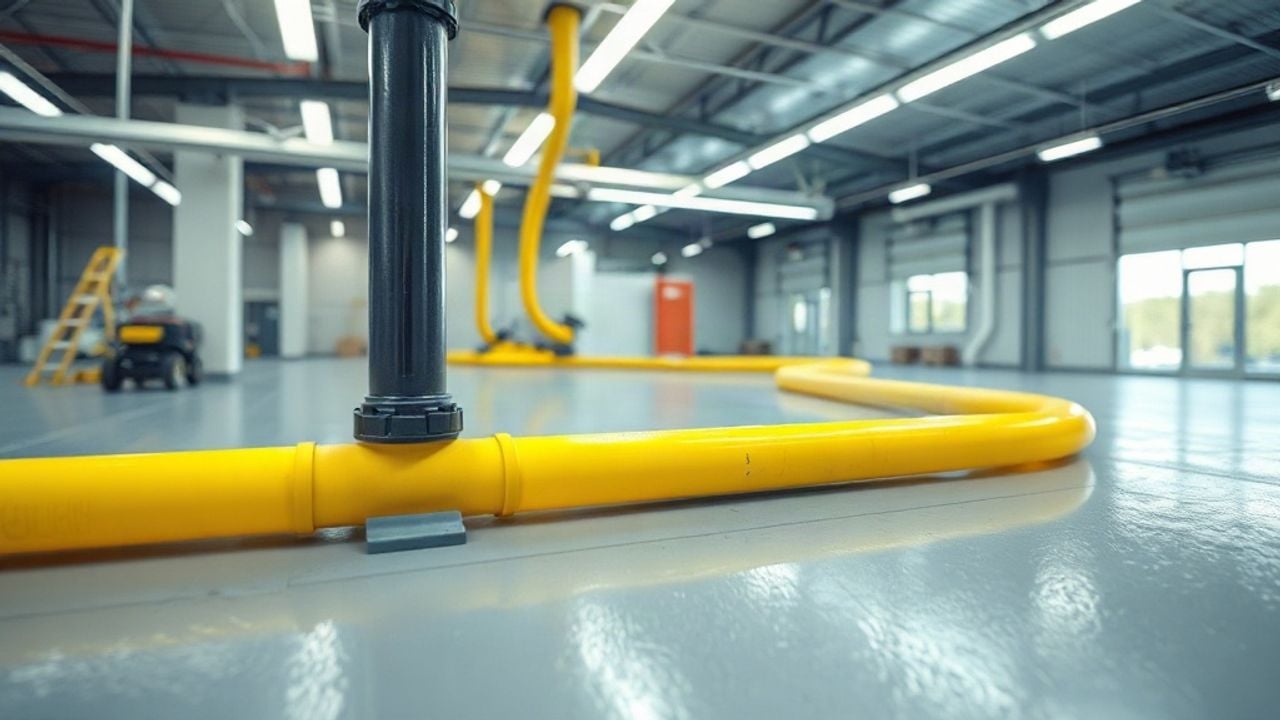 Roy best Water Line InstallationRoy best Water Line Installation guide
Understanding the Water Line Installation Process
Choosing the Right Materials
Cost Considerations for Water Line Installation
Maintenance Strategies and Future Considerations
Water Line see this Installation
Best Practices for Water Line Installation
Hiring certified professionals for water line installation ensures adherence to local building codes and regulations, minimizing future problems.
- Always check with local authorities for any specific codes or standards that apply to water line installations.
- Ensure the contractor is licensed and has experience with projects similar to yours for improved reliability.
- Look for recommendations and reviews from previous customers to gauge the contractor's reputation in the area.
- Discuss warranty options and post-installation service agreements to cover potential issues.
- Consider installing a shut-off valve to control water flow in emergencies, enhancing safety for the property.
Steps for Successful Water Line Installation
- Initial Assessment: Evaluate the property for existing utilities, topography, and soil conditions to plan the best water line route.
- Obtain Necessary Permits: Check local regulations and obtain any permits required for excavation and water line installation.
- Material Selection: Choose the appropriate pipe materials based on soil type, climate, and local codes, considering factors like durability and flexibility.
- Trenching: Excavate the ground along the planned route for the water lines, following the approved depth and width specifications.
- Pipe Installation: Lay the selected pipes in the trenches, ensuring proper alignment and secure connections to avoid leaks.
- Testing and Backfilling: Conduct pressure tests to ensure the system is leak-free before backfilling the trenches with soil and restoring the landscape.
Frequently Asked Questions
What is Water Line Installation?
Water line installation refers to the process of laying down pipes to transport potable water from the source to various points in a building. It includes planning, excavation, material selection, and proper connection techniques.
How do I choose a Water Line Installation provider?
When choosing a provider, consider their experience, customer reviews, licensing, and warranties. Request quotes from multiple contractors for a fair comparison and ask for references before making your decision.
How much does Water Line Installation cost?
The installation cost can range from $1,500 to $5,000. Factors affecting the price include the project's size, material choices, and any additional site preparation or repair work required.
Water line installation is essential for ensuring your property has a reliable source of fresh water. By understanding the installation process, costs, and maintenance, you can make informed decisions that protect your investment and ensure longevity. Engaging skilled professionals guarantees not only compliance with regulations but also the peace of mind that comes with expert work.
Explore your options wisely, and remember that a well-installed water line is an investment in your property’s future and safety.